

When it comes to fire safety in construction, choosing the right materials is crucial. But have you ever wondered which plastering materials provide the highest level of fire resistance? Are there specific plastering techniques or plastering tools that can enhance fire safety in buildings?
Today, we will explore the fascinating world of plaster materials and their fire-resistant properties. In particular, we will delve into the remarkable qualities of gypsum plaster, also known as plaster of Paris, and its ability to withstand flames and limit the spread of fire.
So, let’s uncover the secrets of fire-resistant plastering materials and discover how they can contribute to creating safer environments. Are you ready to enhance your knowledge of fire safety in construction? Let’s get started!
Understanding Gypsum Plaster
Gypsum plaster, also known as plaster of Paris, is a versatile material widely used in construction due to its exceptional properties. Derived from gypsum, a naturally occurring mineral composed of calcium sulfate dihydrate, gypsum plaster has become a popular choice for builders and architects.
One of the key applications of gypsum plaster is in wall and ceiling finishes. When applied, it creates smooth and durable surfaces that enhance the overall aesthetics of a building. Its ease of application and excellent workability make it a preferred construction material for both professionals and DIY enthusiasts.
Gypsum plaster offers several advantages over other construction materials. Its unique composition allows it to provide exceptional fire-resistant properties, making it a valuable asset in enhancing fire safety standards.
In addition, gypsum plaster is known for its sound insulation qualities, helping to reduce noise transmission between rooms. Its moisture-resistant properties also make it suitable for areas prone to high humidity, such as bathrooms and kitchens.
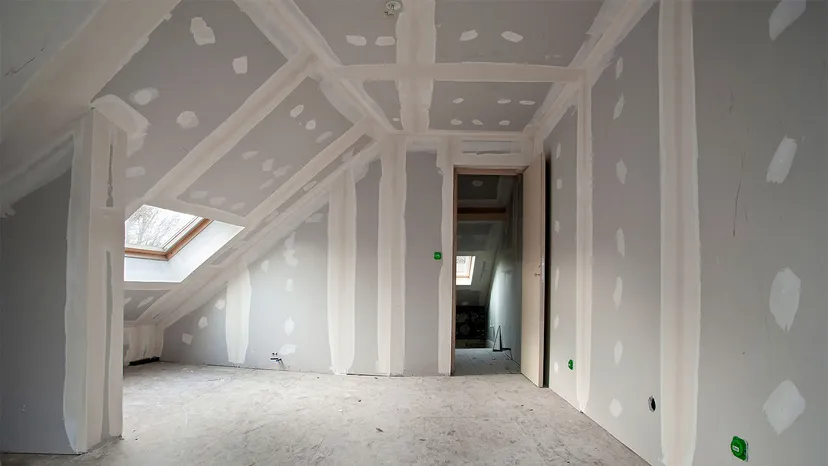
Moreover, gypsum plaster is a sustainable construction material as it can be easily recycled. This adds an eco-friendly aspect to its usage, making it an attractive choice for those who prioritise environmental sustainability.
Overall, gypsum plaster’s versatility, durability, and aesthetic appeal have made it an indispensable construction material for wall and ceiling finishes. Its exceptional properties, including fire resistance and sound insulation, contribute to creating safer and more comfortable living environments.
The Fire-Resistant Properties of Gypsum Plaster
Gypsum plaster offers a range of fire-resistant properties that make it an excellent choice for enhancing safety in buildings. One of its key benefits is that it is non-combustible, meaning it does not contribute to the spread or intensification of flames during a fire. This property provides significant peace of mind, knowing that the plaster will not fuel the fire and worsen the situation.
Another notable feature of gypsum plaster is its high heat resistance. It has the ability to withstand high temperatures without significant structural damage. By acting as a barrier, it limits the transfer of heat, helping to delay the spread of fire and providing extra time for evacuation and firefighting efforts.
In addition to its non-combustibility and high heat resistance, gypsum plaster also plays a role in smoke reduction during a fire. When exposed to heat, the plaster releases water vapor, which helps reduce the production and spread of smoke. This not only enhances visibility for occupants trying to escape but also minimises the health hazards associated with smoke inhalation.
Gypsum plaster’s non-combustible nature, high heat resistance, and smoke reduction capabilities make it an invaluable material for ensuring fire safety in buildings. Whether it is used in wall finishes, ceiling coatings, or other applications, incorporating gypsum plaster contributes to creating a safer environment for occupants.

At Quality Plastering Nottingham, we understand the importance of using fire-resistant materials in construction.
Our team of skilled plasterers is experienced in working with gypsum plaster to provide high-quality finishes that not only enhance the aesthetics of your space but also prioritise fire safety. Contact us at 07534 283338 or visit our website qualityplasteringnottingham.co.uk to learn how we can assist you in creating a safe and visually appealing environment.
Conclusion
In conclusion, gypsum plaster offers exceptional fire-resistant properties that make it a reliable solution for enhancing fire safety in construction. Its non-combustible nature and high heat resistance act as a barrier, limiting the spread and intensification of flames, while also delaying the fire’s progress. Additionally, gypsum plaster helps reduce the production and spread of smoke, improving visibility and minimising smoke-related hazards.
By incorporating gypsum plaster in partitions, ceilings, coatings, and electrical enclosures, builders can significantly improve the safety standards of their structures. Not only does gypsum plaster contribute to fire safety, but it also offers cost-effectiveness, ease of application, aesthetic appeal, and durability, making it a preferred choice in the construction industry.
Overall, the utilisation of gypsum plaster aids in creating safer environments, protecting lives, and minimising property damage in the face of fire emergencies. With its reliable fire-resistant properties, gypsum plaster proves to be an indispensable material in ensuring fire safety in construction.
For more information or to make an appointment, contact us or call us 0115 736 5055 and you can also visit our website.
Source Links
- https://medium.com/@Articlesseo/
gypsum-plaster-the-fire-resistant
-solution-for-improved-safety-c414b1d0f589 - https://www.buildingmaterials.co.uk/
plaster-plasterboard/plasterboard/fire-resistant - https://www.buildingmaterials.co.uk/info-hub/
plaster-plasterboard/fire-rated-plasterboard-guide

When it comes to choosing the right plasterboard for your bathroom, there's a lot to consider. A recent survey from Read more

Have you ever wondered why plastering is so expensive? It can be a daunting task to tackle on your own, Read more

Painting directly onto plaster can be a daunting task, especially if you are not familiar with the process. While plaster Read more