

Plastering is an essential component of any construction project, whether it’s a new build or the renovation of an old building. When it comes to choosing the right plaster, two options dominate the industry: lime plaster and cement plaster. But what sets these two apart? And which one should you choose for your project?
At Quality Plastering Nottingham, we understand the importance of selecting the right materials for each job. In this article, we will explore the differences between lime and cement plaster, giving you the knowledge you need to make an informed decision.
So, let’s dive in and uncover the unique qualities of these plaster types and how they can enhance your building project from the inside out.
Main Types of Plaster
When it comes to plastering, there are three main types of plaster commonly used in the construction industry: cement plaster, gypsum plaster, and lime plaster. Each type has distinct characteristics and is suitable for different applications.
Cement Plaster: Cement plaster is the most widely used type of plaster in the building industry today. It is favored for its quick setting time, which allows for faster construction times. Cement plaster is known for its durability and water resistance, making it ideal for modern, watertight buildings.
Gypsum Plaster: Gypsum plaster is primarily used as a decorative finish over cement plasters. It offers excellent workability, allowing for smooth finishes that can create visually appealing surfaces. Gypsum plaster is commonly used for intricate designs and detailed decorations.
Lime Plaster: Lime plaster is the oldest type of plaster and has been used for centuries. It is known for its breathability, which allows moisture to escape and prevents the buildup of condensation.
Lime plaster is often used in older buildings that require a material that can accommodate ground movement and vibrations. It can be manufactured from pure lime or lime mixed with clay impurities for increased water resistance.

Each type of plaster has distinct characteristics that can be recognised by their color and texture. Cement plaster is typically gray or white, gypsum plaster is white, and lime plaster is usually white but can also have a slight yellowish hue.
To give you a better visual representation of the main types of plaster, here is a table summarising their characteristics:
| Plaster Type | Characteristics |
|---|---|
| Cement Plaster | Durable, water-resistant, quick-setting |
| Gypsum Plaster | Workable, smooth finishes, decorative |
| Lime Plaster | Breathable, less water-resistant, ideal for older buildings |
Understanding the characteristics of each type of plaster is essential when choosing the most suitable option for your project. Whether you’re working on a modern building or restoring an old one, the right plaster choice can make a significant difference in both functionality and aesthetic appeal.
Benefits of Lime Plaster for Old Buildings
When it comes to preserving the historic fabric of old buildings, lime plaster offers several significant advantages over cement plaster. The softness of lime allows it to flex and accommodate ground movement and vibrations, preventing cracks or damage to surrounding bricks. Its breathability allows water vapors to evaporate freely, preventing moisture buildup and potential damage to the structure.
Lime plaster also provides natural warmth and insulation to old buildings, making them cozier and more comfortable. This is especially important during colder months, as lime plaster helps maintain a consistent temperature indoors. This natural insulation contributes to better energy efficiency and reduces the need for excessive heating.
Choosing lime plaster is not only beneficial for the building but also for the environment. Lime is eco-friendly and carbon-neutral, with the added advantage of being recyclable for future use. By using lime plaster, homeowners can contribute to sustainable construction practices and reduce their environmental impact.
Moreover, lime has inherent properties that make it ideal for preserving old buildings. It has antibacterial properties and is resistant to mold, ensuring a healthy indoor environment and reducing the risk of damage to the building’s structure. Additionally, lime plaster is known for its durability and ability to stand the test of time, providing long-lasting protection for historical buildings.
Why Choose Lime Plaster from Quality Plastering Nottingham?
At Quality Plastering Nottingham, we understand the unique needs of old buildings and offer expert lime plastering services. Our team of skilled craftsmen has years of experience working with lime, ensuring high-quality results that preserve the historic integrity of your building.
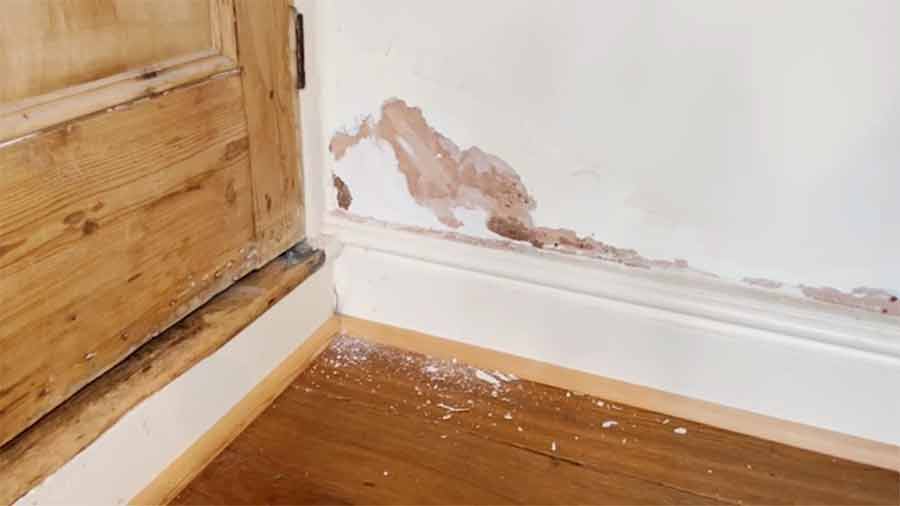
When you choose us, you benefit from the softness and flexibility of lime, which allows for seamless integration with existing structures and a reduction in potential damage.
Our lime plaster is breathable, preventing moisture buildup and ensuring a healthy living environment. We prioritise eco-friendly practices and use lime, a sustainable and recyclable material, to minimise our impact on the environment.
We take pride in our work and ensure that our lime plastering is done with utmost attention to detail, durability, and longevity. Trust Quality Plastering Nottingham for all your lime plastering needs, and let us help you preserve the beauty and historic value of your building.
| Benefits of Lime Plaster for Old Buildings | |
|---|---|
| Softness of Lime | The softness of lime allows for flexibility and prevents damage to surrounding bricks. |
| Breathability of Lime | Lime plaster’s breathability prevents moisture buildup and potential damage |
| Warmth of Lime | Lime plaster provides natural insulation, making buildings warmer and cozier. |
| Eco-friendly Lime | Lime is eco-friendly, carbon-neutral, and recyclable. |
| Durability of Lime | Lime plaster is durable and able to withstand the test of time. |
Conclusion
When it comes to plastering options, choosing the right plaster is crucial for both the durability and aesthetic appeal of a building. Lime and cement plaster are the two main options available, each with its own set of advantages. While cement plaster is more commonly used in modern construction due to its faster building times, lime plaster offers distinct benefits for preserving old buildings.
Lime plaster is softer and more breathable than cement plaster, making it ideal for older buildings that require a material capable of accommodating ground movement and vibrations. Additionally, lime plaster provides natural insulation, making buildings warmer and cozier. It is also eco-friendly and carbon-neutral, contributing to a sustainable approach to construction. By choosing lime plaster, homeowners and professionals can preserve the historic fabric of old buildings while protecting them from moisture damage.
To ensure the authenticity and longevity of old buildings, it is essential to understand the differences between lime and cement plaster. By considering the unique characteristics and properties of each option, individuals can make informed decisions when it comes to plastering and contribute to the preservation of our architectural heritage.
For more information or to make an appointment, contact us or call us 0115 736 5055 and you can also visit our website.
Source Links
- https://endeavourcentre.org/
resources-for-building-green/
free-encyclopedia-of-sustainable
-building-materials/cladding/
lime-cement-lime-plaster/ - https://www.coreconservation.co.uk/
plaster-types-lime-vs-cement/ - https://cornishlime.co.uk/articles/the
-difference-between-lime-cement-mortars/

When it comes to choosing the right plasterboard for your bathroom, there's a lot to consider. A recent survey from Read more

Have you ever wondered why plastering is so expensive? It can be a daunting task to tackle on your own, Read more

Painting directly onto plaster can be a daunting task, especially if you are not familiar with the process. While plaster Read more