

Have you ever wondered what could happen if you don’t use PVA glue before plastering? We, professional plasterers in Nottingham, will explain. This step is key to getting a perfect plaster finish. So, it’s crucial not to overlook it.
Understanding the Role of PVA in Plastering
Walls can absorb a lot, especially if they are bare. This can cause plaster to dry too fast. Fast drying plaster often cracks. It might not stick well, and parts can fall off. Using PVA before plastering stops these problems. Mix 1 part PVA with 3 parts water. Apply it with a brush or roller, like paint.
PVA glue is great for making plaster stick.
Use it like an adhesive.
Dilute it with water and put it on with a brush or roller.
Put the plaster on while the PVA is still a bit wet.
This makes the plaster stick to the wall better.

| Plastering Technique | Purpose of PVA | Application Method | Drying Time |
|---|---|---|---|
| Priming | Prevents plaster from drying too quickly and cracking | Brush or roller | Overnight (depending on thickness) |
| Bonding | Helps plaster adhere to the wall surface | Roller or brush | Apply plaster while PVA is still tacky |
To get a top-quality finish, priming and bonding with PVA are key. For the best plastering help in Nottingham, call Quality Plastering Nottingham on 07534 283338. Or check their website at www.qualityplasteringnottingham.co.uk.
Plastering: Preparing the Surface with PVA
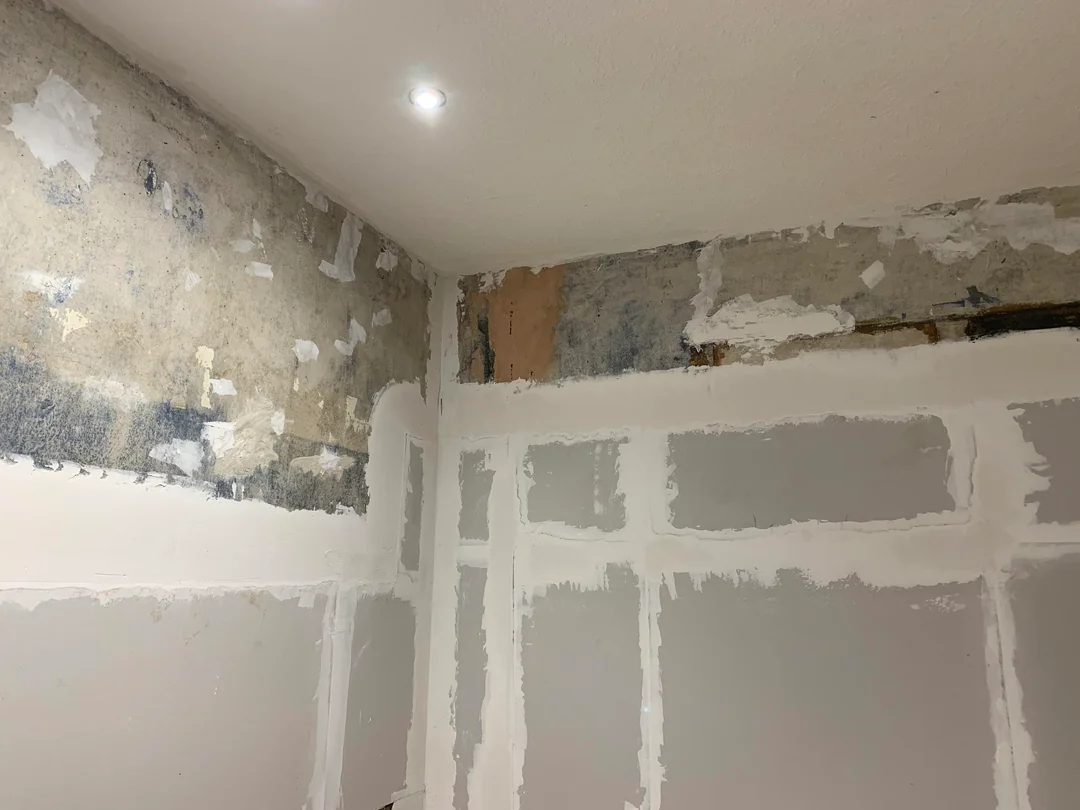
When getting a wall ready for plaster, always go for quality PVA. Timbond’s professional Plasterers grade PVA Adhesive is an excellent choice. Apply the PVA similar to paint using a brush or roller. You might also want to try using a drum tipper for easier application.
The PVA dries to the touch in half an hour to an hour. But, if it’s acting as a primer, let it dry all the way, preferably overnight.
If you put on a thick layer of PVA, it will take longer to dry. To dry it faster, keep your workspace warm and well-aired.
Conclusion
In conclusion, applying PVA before plastering is very important. It helps ensure the plaster sticks well. If you skip this step, your plaster might not stay on the wall. This can lead to problems like cracking later on.
Using PVA also makes the plaster stick better. Doing both steps with PVA is key to a good plastering job. It’s important to use a good PVA, like Timbond’s, and to do it right.
Great plastering starts with good prep work, which includes PVA. By doing this prep work well, your plastering job will look good for a long time. For quality plastering in Nottingham, contact Quality Plastering Nottingham at 07534 283338.
Contact them today at 07534 283338 to discuss your plastering needs and receive a tailored solution that meets your requirements.
Source Links
- https://www.plasterersforum.com/threads/
plaster-without-bonding-agent-pva.82191/ - https://www.adkwik.co.uk/pva-glue-for-plaster
-how-long-to-leave-pva-before-plastering/ - https://www.diynot.com/diy/
threads/pva-and-plastering.175079/

When it comes to choosing the right plasterboard for your bathroom, there's a lot to consider. A recent survey from Read more

Have you ever wondered why plastering is so expensive? It can be a daunting task to tackle on your own, Read more

Painting directly onto plaster can be a daunting task, especially if you are not familiar with the process. While plaster Read more