
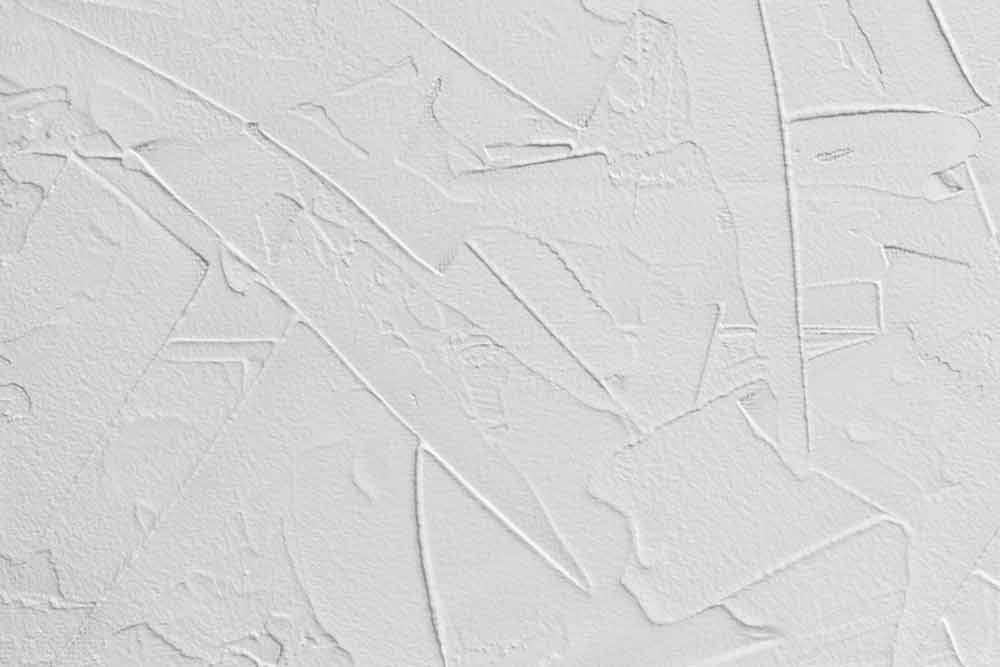
Have you ever noticed unsightly tiger stripes appearing on your freshly plastered walls? This pesky problem can be a real headache for plastering professionals and DIY enthusiasts alike. But fear not, there are proven techniques to eliminate those unwanted blemishes and achieve a flawless, uniform finish. The secret lies in mastering the art of trowelling and managing the plaster mix. But what exactly causes these tiger stripes, and how can you ensure a seamless result? Let’s dive in and explore the solutions.
Understanding Tiger Stripes in Plastering
Tiger stripes, also known as ‘ghosting’ or ‘shadowing’, are an issue that can occur in plastering where visible lines or bands appear on the surface of the plaster. These stripes are typically caused by variations in the drying or setting of the plaster, resulting in differences in texture and sheen. The uneven drying process can be influenced by factors such as temperature, humidity, and the application technique used during the plastering process.
Proper surface preparation, the choice of plastering materials, and the skill of the plasterer all play a crucial role in preventing tiger stripes.
Ensuring a consistent mix, applying the plaster evenly, and using the right trowelling techniques can help to create a smooth, uniform finish.
Factors like the type of lath and plaster, the skim coating applied, and the overall plastering techniques used can all contribute to the appearance of tiger stripes.
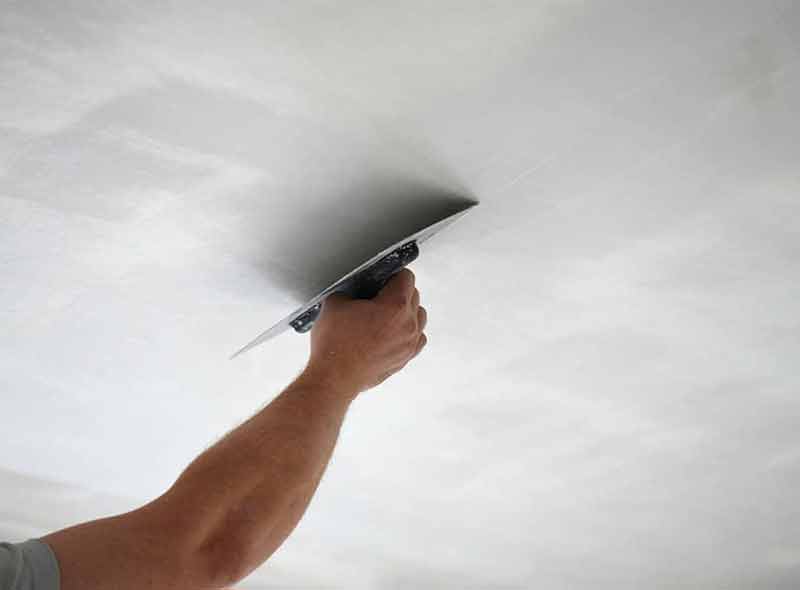
Regular sanding and trowelling of the plaster surface can help to minimise the visibility of these unwanted lines. Understanding the causes and taking the necessary steps to address them is crucial for achieving a high-quality plastering finish that is free from tiger stripes.
| Plastering Material | Considerations for Avoiding Tiger Stripes |
|---|---|
| Plaster materials | Ensuring a consistent mix and correct ratio of ingredients, such as lime plastering or drywall plastering, can help to create an even drying and setting process. |
| Plastering tools | Proper use of trowelling and sanding techniques can help to smooth the surface and minimise any uneven textures or sheen differences. |
| Plaster finishes | The choice of plaster finishes, such as skim coating or stucco, can impact the appearance and susceptibility to tiger stripes. |
| Surface preparation | Ensuring a clean, level, and appropriately waterproofed surface before plastering can help to create a consistent base for the application. |
By understanding the causes of tiger stripes and implementing best practices in plastering techniques, plasterers can achieve a high-quality, visually appealing finish that meets the expectations of their clients.
Plastering Techniques to Eliminate Tiger Stripes
According to industry experts, one of the most effective plastering techniques for eliminating unsightly tiger stripes is to apply a “tight laying in coat” of plaster and then thoroughly trowel it to a smooth, even finish using a steel trowel. This approach helps to create a consistent, uniform surface texture that minimises the appearance of those pesky striations.
Additionally, the experts suggest using two larger gauges of plaster materials rather than three smaller ones, as the skim coating can sometimes “hang around” during certain times of the year. Careful attention to application and avoiding excessive crossing of the plaster can also contribute to a flawless, tiger stripe-free finish.

To ensure the best possible results, it’s crucial to follow plastering best practices, such as proper surface preparation, waterproofing, and the use of high-quality plastering tools and materials.
By embracing these proven plastering techniques, homeowners and contractors can achieve a smooth, consistent plaster finish that will stand the test of time.
| Plastering Technique | Benefit |
|---|---|
| Tight Laying In Coat | Ensures a consistent, uniform surface texture to minimise tiger stripes |
| Steel Trowel Finish | Helps to create a smooth, even plaster finish |
| Use of Larger Plaster Gauges | Prevents the skim coating from “hanging around” during certain seasons |
| Avoiding Excessive Crossing | Helps to maintain a consistent plaster application and finish |
Conclusion
While tiger stripes in plaster can be a frustrating issue, there are several plastering techniques that can be employed to eliminate them. Using a tight-laying coat and thoroughly trowelling the plaster, along with adjusting the plaster mix and application method, can all help to create a smooth, uniform finish.
For those in the Nottingham area seeking expert plastering services, Quality Plastering Nottingham offers a reliable and professional solution. Their team of skilled plasterers are well-versed in the latest plastering techniques and can assist with a wide range of plastering projects, from drywall plastering to lime plastering.
Whether you’re dealing with tiger stripes, plaster repairs, or require a complete plasterboard installation, the professionals at Quality Plastering Nottingham are here to help.
Contact them today at 07534 283338 to discuss your plastering needs and receive a tailored solution that meets your requirements.
Source Links
- https://www.plasterersforum.com/
threads/tiger-stripes.50866/ - https://www.diynot.com/diy/threads/
painting-over-tiger-lines.543939/ - https://www.diyplastering.co.uk/stripes.html

When it comes to choosing the right plasterboard for your bathroom, there's a lot to consider. A recent survey from Read more

Have you ever wondered why plastering is so expensive? It can be a daunting task to tackle on your own, Read more

Painting directly onto plaster can be a daunting task, especially if you are not familiar with the process. While plaster Read more