

When it comes to revitalizing historic buildings in Nottingham, you're really just giving them a gentle facelift. To maintain the charm and character of these structures, it's vital to understand the specific plaster guidelines that govern their renovation. You'll find that evaluating the current plaster conditions is just the beginning, and knowing which materials to use can make all the difference. But what about the regulations you must navigate, and how do they impact your project? Exploring these aspects could greatly influence your approach.
Importance of Historic Preservation
Historic preservation plays an essential role in shaping our understanding of the past, connecting you to cultural heritage and community identity. By engaging in preservation efforts, you help maintain the cultural significance of historic sites, which serve as tangible links to your community's shared history. These sites embody unique stories and values that contribute to a collective identity, fostering pride among residents.
Moreover, historic preservation encourages community engagement. When you participate in local preservation initiatives, you not only advocate for the protection of these valuable assets but also create opportunities for educational programs and public discussions. This engagement enhances your community's connection to its heritage, allowing for a deeper appreciation of the past. Additionally, preservation connects history to population and culture for future enjoyment. Successful preservation efforts often rely on the expertise of skilled plasterers who can restore damaged plasterwork and maintain the original architectural integrity of historic buildings.
In addition to cultural benefits, preserved historical areas often attract tourism, stimulating local economies and encouraging investment. As you support the preservation of these structures, you contribute to environmental sustainability by reducing the need for new construction and conserving resources. Ultimately, historic preservation isn't just about maintaining old buildings; it's about affirming your community's identity, fostering pride, and ensuring that future generations can appreciate the cultural heritage that shapes their lives.
Assessing Plaster Conditions
When evaluating plaster conditions in historic buildings, a detailed and systematic inspection is crucial. Begin your plaster assessment by meticulously examining the entire plaster surface for signs of damage or deterioration. Utilize tools like trowels and moisture meters to aid in your damage evaluation. Document all visible issues, including cracks and bulges, and prioritize areas that need urgent attention.
Employ visual inspection techniques, such as sound tests by tapping on the plaster to identify hollow areas, and conduct moisture readings to uncover any underlying moisture-related problems. Document existing conditions clearly, categorizing them as good, marginal, or poor, and note the condition of keys or panels. Conducting thorough plaster condition surveys ensures that you systematically assess all aspects of plaster integrity.
As you interpret your assessment results, analyze the severity of the damage and investigate root causes like moisture infiltration or structural weaknesses. If necessary, seek expert advice to guarantee a thorough understanding of the plaster's condition. Local contractors who specialize in plaster restoration, such as those experienced with plaster repair techniques, can provide valuable insights into the most effective methods for repairing cracked plaster walls.
Repair Techniques for Plaster
After thoroughly evaluating the condition of the plaster, you can move on to implementing effective repair techniques.
Start with small cracks and damages by preparing the area; use a utility knife to widen the cracks into a "V" shape, ensuring you expose the lath beneath. Apply a bonding agent with a paintbrush to all surfaces, then select appropriate plaster materials, such as lightweight gypsum for base coats.
For stability, embed mesh into the wet basecoat, except in thin cracks. Allow the plaster to dry before any additional coats.
For larger areas, remove loose plaster back to structurally sound sections. Clean the exposed lath and drill holes to apply plaster adhesive, stabilizing the wall's edge. Ensure the room temperature and humidity are controlled to prevent fluctuations in moisture levels.
Wet the substrate to prevent water absorption, then apply base and finish coats of new plaster. Always remember that proper planning can help minimize unexpected challenges during the repair process.
When dealing with ornate plaster, document designs for accurate reproduction and consider traditional repair strategies, using lime-based mortars.
Always select materials compatible with the original plaster to maintain integrity and preserve historic character. Test your methods on inconspicuous areas first, and document each step for future reference.
Matching Historic Materials
In the domain of preserving architectural heritage, matching historic materials is fundamental for maintaining authenticity in renovation projects. Achieving material compatibility guarantees that your work reflects the original craftsmanship while upholding the building's historic authenticity. For plaster, understanding the differences between lime and gypsum is imperative. Lime plaster, often noted for its slow-setting properties, is ideal for decorative applications, while gypsum plaster, or plaster of Paris, serves other specific functions.
When replacing materials, you should pay close attention to the following characteristics:
| Material Type | Key Features | Usage Context |
|---|---|---|
| Lime Plaster | Slow-setting, durable | Decorative work, historical homes |
| Gypsum Plaster | Quick drying, less durable | Interior applications |
| Portland Cement | Harder, prone to cracking | Not suitable pre-c. 1900 |
| Historic Mortar | Soft, flexible | Repointing and masonry |
It's essential to avoid modern materials like Portland cement and synthetic compounds, as they can compromise the integrity of historic structures. Always consult with professionals for accurate assessments and to guarantee that the materials you choose align with the building's original specifications.
Lime plaster's unique properties, including its breathability and moisture regulation, make it particularly suitable for historic buildings, ensuring that walls remain dry and resistant to mold growth.
Regulations in Nottingham

Maneuvering the regulations surrounding renovations of historic buildings in Nottingham can be complex, but understanding the requirements is vital for any successful project.
When dealing with a historic resource, you'll first need a demolition permit if any demolition work is planned. This involves submitting extensive details like site plans and reasons for demolition. Remember, the Zoning Officer won't issue permits that prevent the restoration of the historic resource unless it's specifically for that purpose.
Design and preservation guidelines play an essential role in maintaining the architectural integrity of historic districts. You should adhere to the Secretary of the Interior's Standards for the Treatment of Historic Properties, ensuring that any alterations remain compatible with the building's original character.
The Nottingham City Council actively engages with property owners, providing preservation incentives and support through initiatives like the Heritage Action Zone project, which focuses on restoring historic shopfronts.
Lastly, don't forget the general permitting process. All renovation projects require a building permit, which must include detailed plans and specifications.
Licensed contractors are responsible for pulling these permits, ensuring compliance with local regulations.
Understanding Conservation Areas
Understanding conservation areas is essential for anyone involved in the renovation of historic buildings in Nottingham. These designated zones are critical for preserving the unique character and heritage protection of the region. Recognizing their conservation importance can guide your renovation decisions effectively.
Here are four key aspects to contemplate:
- Historical Significance: Guarantee that your renovations reflect the architectural styles and historical context of the area.
- Architectural Control: Familiarize yourself with guidelines that dictate acceptable materials, colors, and styles to maintain visual coherence.
- Diverse Environments: Understand that conservation areas encompass various environments, from quaint village centers to bustling urban districts.
- Stricter Regulations: Be prepared for more stringent rules regarding alterations to properties, including gardens and other outdoor spaces.
Local authorities manage these areas, enforcing planning regulations that protect their unique character. Effective renovation also requires careful consideration of specific plastering techniques such as cement plastering, which is suitable for exterior work and ensures durability against environmental factors.
Conducting Building Research

Conducting thorough building research is essential for anyone looking to renovate historic structures in Nottingham. You'll need to navigate the intricacies of historic architecture, which requires a deep understanding of each building's unique historical significance. Start with detailed building documentation; this forms the backbone of your restoration efforts. Accurate records help you assess the current condition of the structure and the types of damage present, guiding you in selecting appropriate restoration techniques. Engaging in early collaboration with planners, authorities, and experts can streamline your project and guarantee adherence to heritage considerations. These professionals can provide insights into the specific guidelines you must follow to preserve the cultural values of the building. Understanding the properties of plaster used in the original construction can also inform your restoration choices.
Sustainable Renovation Practices
Sustainable renovation practices are essential for preserving Nottingham's historic buildings while enhancing their energy efficiency and functionality.
By integrating modern sustainable techniques with traditional architecture, you can achieve a balance that respects the past and prepares for the future.
Here are some strategies to contemplate:
- Assess existing energy-efficient characteristics: Identify inherent features like natural lighting and ventilation that can be enhanced.
- Incorporate passive design elements: Utilize operable windows, clerestory windows, and skylights to maximize natural light and air circulation.
- Use local and reclaimed materials: These choices align with ecological principles and help maintain the building's character.
- Implement energy-efficient upgrades: Install modern systems such as high-efficiency HVAC and energy-efficient windows that complement historic integrity.
Selecting materials with low embodied energy, such as eco-friendly clay plasters, can significantly reduce the environmental footprint of your renovation project.
Ensuring Regulatory Compliance
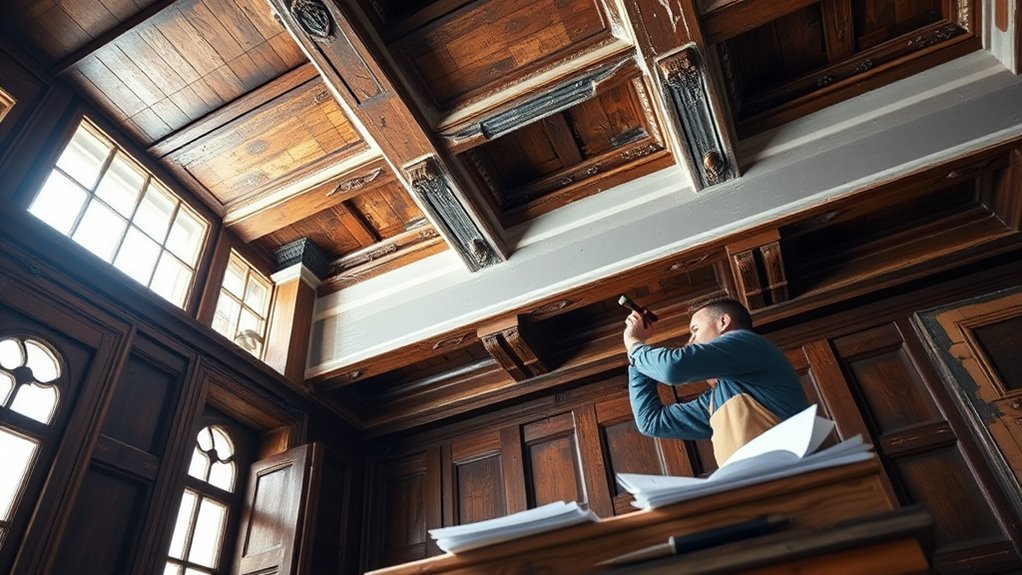
Steering through the complex landscape of regulatory compliance is fundamental for anyone involved in renovating historic buildings in Nottingham.
You'll face numerous compliance challenges, particularly when adhering to regulations from Historic England and local councils. It's essential to guarantee your project complies with building codes addressing fire safety, structural integrity, and accessibility.
If your building is listed, obtaining Listed Building Consent is non-negotiable for any alterations. Planning permissions are also required for significant changes, so thorough documentation and project planning are critical.
Keeping up with regulatory updates can prevent costly delays and reworks. Material preservation is key; you should use original materials and techniques wherever possible to maintain historic integrity.
Engage professionals, like surveyors and structural engineers, to navigate these complex requirements effectively. Submit detailed applications, including impact assessments, to relevant authorities and be prepared for a review by local historical commissions.
Inspections will occur throughout the renovation process, ensuring compliance with approved plans. By fostering transparency and collaboration with stakeholders, you can enhance trust and guarantee that your renovation aligns with broader preservation goals.
To ensure a smooth plastering process, consider hiring experienced contractors with proven expertise in historic building renovations.
Frequently Asked Questions
What Are Common Signs of Plaster Deterioration in Historic Buildings?
You'll notice plaster cracking, bulges, and moisture damage in historic buildings. Look for water stains and separation from walls, as these signs indicate deterioration that could compromise both aesthetics and structural integrity.
How Can I Find a Qualified Preservation Professional in Nottingham?
Finding a qualified preservation professional in Nottingham is like searching for a needle in a haystack. Prioritize those who understand restoration ethics and employ effective preservation techniques, ensuring they're accredited and experienced in historic building care.
Are There Grants Available for Historic Building Renovations?
Yes, you'll find various funding options for historic building renovations. Check grant eligibility for Historic England, Nottingham's Heritage Action Zone, or the Townscape Heritage Scheme to support your restoration project effectively and enhance your building's heritage value.
What Are the Costs Associated With Plaster Restoration?
You know the saying, "A penny saved is a penny earned." When considering plaster pricing, restoration budgeting can range from £70 for small repairs to £9,000 for extensive damage, heavily influenced by severity and location.
Can Modern Materials Be Used in Plaster Repairs?
Yes, you can use modern plaster in repairs, provided you choose compatible repair techniques. Just verify that the selected materials align with the original plaster's characteristics to maintain authenticity and structural integrity.
Conclusion
In Nottingham, over 40% of the city's buildings are listed or in conservation areas, highlighting the importance of careful renovation practices. By adhering to plaster guidelines and using compatible materials, you not only preserve the historical character but also contribute to the community's architectural legacy. Engaging professionals and understanding local regulations guarantees your restoration efforts are effective and respectful. Embrace sustainable practices to protect these treasures for future generations while enhancing the charm of Nottingham's rich historical landscape.

When it comes to choosing the right plasterboard for your bathroom, there's a lot to consider. A recent survey from Read more

Have you ever wondered why plastering is so expensive? It can be a daunting task to tackle on your own, Read more

Painting directly onto plaster can be a daunting task, especially if you are not familiar with the process. While plaster Read more