

Did you know that over 60% of modern architects are now incorporating innovative plaster techniques into their designs? This shift reflects a growing recognition of plaster's versatility and appeal in contemporary architecture. As you explore how plastering is evolving, you'll discover the balance between aesthetics and functionality that modern builders seek. But what specific advancements and sustainable practices are driving this transformation? The answers might surprise you and reveal how plastering is not just keeping pace with architectural trends but actively shaping them.
Modern Plastering Trends
In modern architecture, plastering techniques have evolved considerably, reflecting both aesthetic preferences and functional needs.
You'll find that polished plaster creates a smooth, reflective surface, enhancing light and space in contemporary interiors. Venetian plaster adds an upscale touch with its glossy, marble-like finish, perfect for high-end settings. If you're leaning towards a more industrial vibe, concrete look plaster delivers a textured appearance that complements minimalist designs.
Textured plaster has gained popularity for its ability to introduce depth and character into spaces, offering various patterns that can greatly alter a room's atmosphere. Additionally, the use of microcement in modern spaces provides a seamless and polished finish, enhancing the overall aesthetic.
You might also consider acoustic plaster, which effectively reduces noise levels, making it an excellent choice for open-plan living areas.
The trend toward sustainable plastering practices can't be overlooked. Lime and clay plasters not only incorporate renewable resources but also promote healthier indoor environments due to their moisture-absorbing qualities. Moreover, clay plasters stand out for their low embodied energy, contributing significantly to a reduced carbon footprint and enhanced sustainability.
As you explore these modern plastering trends, you'll discover that decorative finishes and plaster textures play an essential role in creating unique and functional spaces, catering to both aesthetic desires and the demands of contemporary living.
Technological Advancements in Plastering
The evolution of plastering technology has dramatically transformed the way you can approach both the design and application of plaster in modern architecture. With smart automation at the forefront, tasks that once demanded considerable manual effort have become more efficient and precise.
For instance, plastering robots autonomously apply materials, reducing labor costs while enhancing safety on-site. This leap in technology guarantees that you can achieve high-quality finishes with minimal physical strain. Moreover, the integration of AI for predictive maintenance ensures that projects run smoothly and efficiently, further optimizing your workflow. Effective preparation steps, such as priming walls with PVA bonding agents, are crucial for achieving these high-quality finishes.
Digital craftsmanship further revolutionizes the plastering process. Advanced digital planning tools, like 3D rendering software, allow you to visualize your project before any physical work begins, considerably reducing the chance of errors.
Laser-guided tools and paddle mixers guarantee that plaster is applied evenly and mixed effectively, enhancing the overall quality. Additionally, pre-mixed plasters streamline preparation, providing consistent results that elevate your designs.
Incorporating spray plastering techniques boosts both speed and efficiency, allowing you to cover large areas quickly while maintaining a high-quality finish.
As you embrace these technological advancements, you'll find that modern plastering not only meets contemporary architectural demands but also opens up exciting new creative possibilities for your projects.
Sustainable Material Options
Sustainable material options in plastering are reshaping how you approach architectural design and construction. By prioritizing eco-friendly alternatives, you not only enhance aesthetics but also contribute to environmental responsibility.
Here are three key benefits of using sustainable plaster materials:
- Lime Plaster Composition: Made from natural materials like lime, water, and aggregates, lime plaster emphasizes a reduced carbon footprint and promotes healthier living spaces.
- Carbon Sequestration: This material absorbs CO2 as it dries, achieving a carbon-neutral state over time, which aligns with modern sustainability goals.
- Breathable Finish: Lime plaster allows moisture to escape, improving indoor air quality and preventing mold growth. Its porous nature also aids in regulating humidity levels, creating a more comfortable indoor environment.
When you choose natural materials like lime plaster, you embrace a versatile solution that fits both minimalist and complex designs.
Its eco-friendly production requires less energy compared to traditional options like Portland cement, further reducing emissions.
Plus, the potential for upcycling and recycling plaster means less waste ends up in landfills.
As you commit to sustainable design practices, your projects can reflect a growing demand for environmentally friendly solutions, making a lasting impact on both architecture and the planet.
Additionally, using lime plaster can help preserve the historic integrity of older buildings, especially due to its flexibility and ability to accommodate ground movement and vibrations.
Historical Context of Plastering
Throughout history, plastering has played an essential role in shaping architectural practices and styles across various cultures. From ancient plastering techniques in Jordan around 7500 BC to the intricate stucco of Greece and the opulent villas of Rome, plastering reflects the cultural significance of each era. Every civilization has utilized plaster not just for functionality but as a canvas for artistic expression.
| Era | Key Techniques | Cultural Significance |
|---|---|---|
| Ancient Egypt | Gypsum and lime for tombs | Symbolized wealth and the afterlife |
| Medieval England | Wattle and daub | Showcased ingenuity in timber framing |
| Renaissance | Additives like hair and beer | Highlighted innovation in materials |
| 19th Century | Cement plasters and boards | Marked industrial transformation |
As you explore these historical contexts, you'll see how plastering has evolved, adapting to societal needs while maintaining its aesthetic and protective roles. Its ability to preserve the integrity of historical structures illustrates not only its practical functions but also its enduring cultural relevance. Understanding this historical context enriches your appreciation of plastering's modern adaptations and innovations today. The selection of plaster types, including cement and lime plasters, has become crucial in achieving durable and weather-resistant finishes, reflecting the evolving needs of modern architecture and construction.
Advantages of Modern Plaster Walls
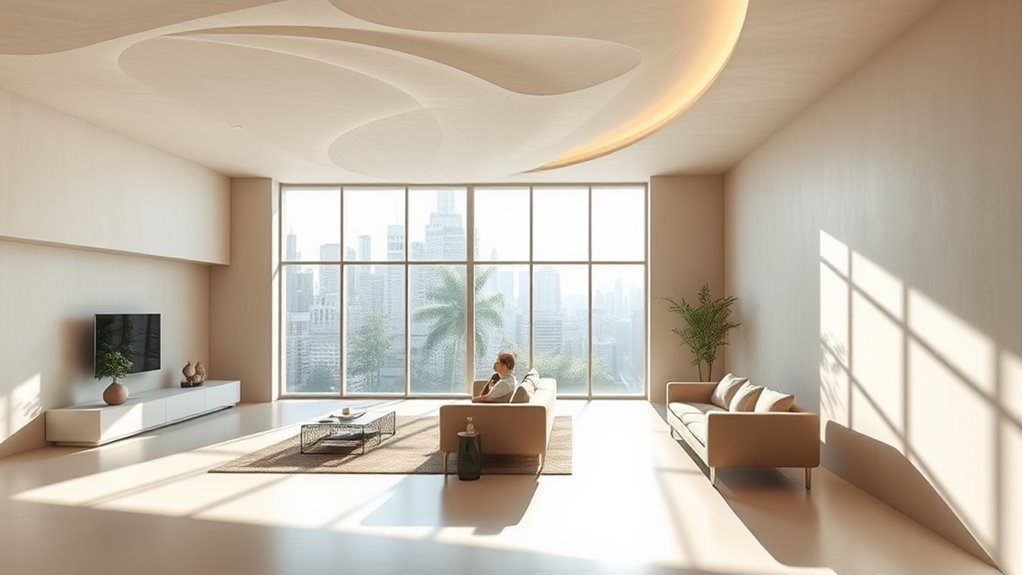
Durability stands as one of the most compelling advantages of modern plaster walls, making them a wise choice for both residential and commercial spaces. Unlike drywall, plaster offers superior longevity and strength, ensuring your walls withstand the test of time.
Here are three key benefits you'll appreciate:
- Energy Efficiency: Plaster walls provide exceptional insulation, allowing your home to maintain a stable temperature and reduce heating and cooling costs.
- Aesthetic Appeal: The smooth, sophisticated finish of plaster elevates the look of any room, creating an elegant atmosphere that can be customized with various textures.
- Scratch and Dent Resistance: With a robust surface, plaster walls resist scratches and dents, making them perfect for high-traffic areas.
In addition to these advantages, plaster's fire resistance adds an essential safety element, slowing flame spread.
The combination of durability, energy efficiency, and aesthetic appeal makes modern plaster walls a smart investment. You'll not only enjoy the beauty they bring but also the peace of mind knowing your walls are built to last.
Choosing plaster is a decision that benefits both your home and the environment. Rendering services, like those that offer a written guarantee, further enhance the benefits of plaster walls by ensuring long-term protection and aesthetic appeal.
Innovative Plastering Techniques
In the domain of modern architecture, innovative plastering techniques are revolutionizing how we think about wall finishes and structural design. The advent of 3D plastering technology is a game changer, enabling you to create intricate architectural features with unmatched precision. Utilizing 3D printers, this method enhances efficiency and allows for bespoke wall textures and elaborate ceiling details that were once too complex to achieve.
Digital integration plays an essential role here, as computer-aided design (CAD) allows for meticulous planning, ensuring high accuracy in execution. This technology not only improves efficiency but also considerably reduces waste through precise material usage. With electric mixing stations and plaster spraying machines, you benefit from consistent mix quality and faster application, streamlining the entire process.
Moreover, sustainable practices are at the forefront, with eco-friendly materials like lime and clay plasters gaining popularity. These materials enhance durability while minimizing environmental impact. Expert plastering services, such as those offered by R J Dean Plasterers with their extensive experience in External Wall Insulation, demonstrate a commitment to integrating modern techniques with traditional craftsmanship.
Frequently Asked Questions
What Are the Costs Associated With Modern Plastering Techniques?
When considering modern plastering techniques, you'll encounter a cost breakdown that includes material quality, labor expertise, and project complexity. Budget considerations are essential, as total expenses can range considerably based on these factors.
How Does Plastering Impact Home Resale Value?
Plastering greatly enhances home aesthetics, boosting resale potential. By improving visual appeal and durability, well-executed plaster work makes your property more attractive to buyers, ultimately leading to higher offers and quicker sales in competitive markets.
Can Plaster Walls Be Easily Repaired if Damaged?
Sure, you can easily repair plaster walls—if you enjoy a little DIY adventure! With proper plaster repairs, you'll boost wall durability, making your home a fortress against those pesky cracks and sagging plasters.
What Maintenance Is Required for Plaster Finishes?
For effective plaster care, you need regular inspections, gentle surface preparation, and prompt repairs. Monitor for cracks and moisture, clean surfaces often, and use quality products to maintain your plaster finishes in top condition.
Are There Specific Tools Needed for Plastering?
You'll need essential plastering tools like trowels and floats, alongside specialized ones for modern techniques. These tools enhance your efficiency and precision, ensuring a smooth finish while adapting to various plastering styles and requirements effectively.
Conclusion
As you explore the evolution of plastering, consider this: nearly 30% of new homes now incorporate advanced plastering techniques, showcasing a significant shift in modern architecture. This transformation not only enhances visual appeal but also improves functionality and sustainability. By embracing cutting-edge materials and methods, you're ensuring that plastering remains an essential element in contemporary design. So, whether it's the elegance of Venetian plaster or the practicality of acoustic options, the future of plastering is undeniably promising.

When it comes to choosing the right plasterboard for your bathroom, there's a lot to consider. A recent survey from Read more

Have you ever wondered why plastering is so expensive? It can be a daunting task to tackle on your own, Read more

Painting directly onto plaster can be a daunting task, especially if you are not familiar with the process. While plaster Read more