
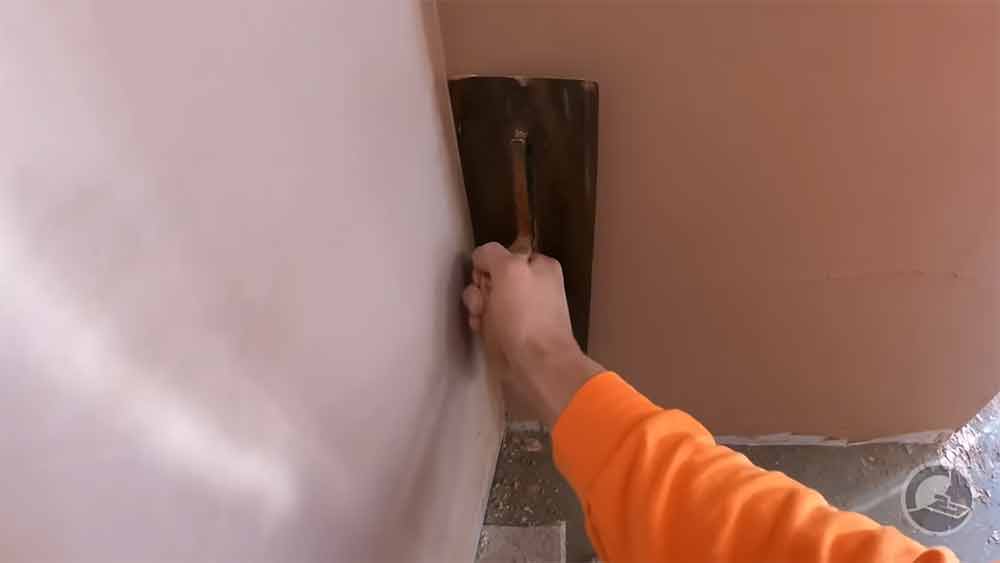
Are you wondering how often you should plaster the walls in your home? As a homeowner, it’s important to maintain the quality and appearance of your walls to create a welcoming and visually appealing space. Hiring a professional plasterer can ensure that the job is done correctly, providing you with quality plastering that will stand the test of time.
Plasterwork should last indefinitely, but over time, it can deteriorate and require attention. Some common signs of deteriorating plaster include cracking, loose plaster, staining, crumbling, or mechanical damage. While most problems with old plaster can be easily fixed, it’s essential to hire a specialist who has experience in dealing with traditional finishes in period homes.
When considering your options, it’s important to note that using plasterboard in a period building can look out of place and detract from the overall aesthetic. Instead, opt for a traditional finish such as lime plaster for houses built before 1919. Lime plaster not only maintains the authenticity of your home but also provides a durable and aesthetically pleasing solution for replastering old homes.
The cost of plastering can vary depending on the type of finish and the size of the room. To ensure you’re getting the best value for your money, it’s recommended to get quotes from local plasterers who offer affordable and professional plastering services. This way, you can compare prices and find a plasterer who meets your needs and budget.
Before embarking on a replastering project, it’s important to determine the type of plaster already present in your home. Lime plaster, gypsum plaster, and earth binder are common types that you may come across.
Understanding the existing plaster will help you make informed decisions about whether to repair or replace it and ensure that the new plaster matches the original material in terms of colour and appearance.

By taking the time to properly replaster your walls, you can maintain the integrity and beauty of your home. Whether you’re looking to refresh the look of your living room or preserve the historic markings in your hallway, a professional plasterer like Quality Plastering Nottingham can provide the expertise and skill required to achieve the desired results.
Types of Plaster and How to Determine What Your Home Has
When it comes to plastering, understanding the different types of plaster is crucial. By identifying what type of plaster your home has, you can make informed decisions about maintenance, restoration, and potential replastering. Let’s explore the main types of plaster commonly found in homes:
Lime Plaster
Lime plaster is a traditional finish for houses built before 1919. It offers a soft, characterful appearance that is often sought after in period homes. Lime plaster is typically off-white in colour, providing a timeless aesthetic. One of the advantages of lime plaster is its ability to allow the building to breathe, preventing moisture buildup. This makes it an excellent choice for older properties.
Gypsum Plaster
Gypsum plaster gained popularity in the 1950s and is commonly found in more modern homes. Unlike lime plaster, gypsum plaster has a pinkish hue. It offers a smooth and flat finish that is often favoured in contemporary interiors. Gypsum plaster is known for its durability and resistance to cracking, making it suitable for high-traffic areas.
Earth Binder
Another type of plaster that can be found in old homes is earth binder. This type of plaster is made from natural materials such as clay, sand, and fibers. Earth binder plaster has excellent thermal properties, providing insulation and regulation of humidity levels. It is commonly used in eco-friendly and sustainable construction.
Now that you have an overview of the different types of plaster, how can you determine what your home has?
One way to identify the type of plaster is by examining the colour. Lime plaster is usually off-white, while gypsum plaster has a pinkish tint. Additionally, historic markings such as decorative schemes and wall paintings can be indicative of original plasterwork. These markings should be preserved and restored if possible, as they contribute to the historical value and charm of your home.
| Type of Plaster | Appearance | Suitable For |
|---|---|---|
| Lime Plaster | Soft, off-white | Period homes, restoration projects |
| Gypsum Plaster | Pinkish | Modern interiors, high-traffic areas |
| Earth Binder | Natural and textured | Eco-friendly construction |
Factors to Consider When Replastering Walls and Ceilings
When replastering walls and ceilings, several important factors should be taken into consideration to ensure a successful and long-lasting result.
Extent of Deterioration
The first step is to assess the extent of deterioration in the existing plasterwork. Is the plaster cracked, loose, stained, or crumbling? Identifying the specific issues will help determine whether repairs can be made or if a full replacement is necessary.
Repair vs Replacement
In some cases, minor repairs can address the deterioration of plasterwork. Small cracks and minor damage can often be patched up, preventing the need for a complete replastering job. However, if the damage is extensive or if the plaster is beyond repair, replacement may be the best course of action.
Same Material and Number of Coats
When replastering, it’s important to match the existing material as closely as possible. This helps maintain the aesthetic and historical integrity of the building. Additionally, using the same number of coats as the original plasterwork can ensure a consistent finish.
Avoiding the Use of Plasterboard
In period buildings, it’s advisable to avoid using plasterboard. Plasterboard can look out of place and detract from the authentic charm of the space. Instead, opt for traditional plastering methods and materials to ensure a seamless blend between the old and new plasterwork.

Replastering Ceilings
Replastering ceilings requires specific techniques to achieve a smooth and even finish.
In some cases, it may be necessary to replace the laths or support structures before applying the new plaster. Lime plaster is often used for replastering ceilings in older homes, as it provides a traditional and durable finish.
Techniques for Bonding Coats
Proper bonding techniques are crucial for a successful replastering project. The surface of the base coat should be scratched to create a rough texture, allowing the next coat to bond effectively. This ensures the stability and strength of the plasterwork.
| Factors to Consider | Recommendations |
|---|---|
| Extent of Deterioration | Assess the damage and determine if repairs or replacement are needed. |
| Repair vs Replacement | Consider the possibility of repairing minor issues or opting for a full replacement. |
| Same Material and Number of Coats | Match the existing material and use the same number of coats to maintain consistency. |
| Avoiding the Use of Plasterboard | Choose traditional plastering methods to preserve the authenticity of the space. |
| Replastering Ceilings | Replace laths if necessary and use lime plaster for a traditional finish. |
| Techniques for Bonding Coats | Scratch the base coat for proper bonding between layers of plaster. |
The Cost of Plastering and Tips for Keeping Costs Down
When it comes to plastering your walls and ceilings, one of the factors that often comes to mind is the cost. Hiring a specialist plasterer, especially one with experience in dealing with traditional finishes, may be more expensive compared to standard plastering jobs. However, it’s important to consider the value and expertise they bring to the table, especially if you have a period home that requires special attention.
The cost of plastering can vary depending on factors such as the size of the room and the type of finish you choose. To ensure you’re getting the best value for your money, it’s advisable to get multiple quotes from reputable plasterers, like Quality Plastering Nottingham, who provide professional plastering services in the UK. This way, you can compare prices and find a balance between quality and affordability.
Another way to manage the cost of plastering is to explore different options. For example, consider whether plaster boarding, plastering, or skimming would be the most suitable option for your project. Each option has its pros and cons, so it’s important to consult with professionals to determine the best approach for your specific needs.
If you’re looking to save even more money, buying materials yourself can be a viable option. However, it’s crucial to consult with professionals to ensure you’re purchasing the right materials for a successful plastering job. Additionally, undertaking DIY work can help reduce costs. However, be mindful of your skills and the complexity of the job before deciding to take it on yourself.
For more information or to make an appointment, contact us or call us 0115 736 5055 and you can also visit our website.
Source Links
- https://www.realhomes.com/
advice/plaster-in-old-homes - https://www.mybuilder.com/questions/v/
7512/how-long-should-plaster-last-for - https://welliguessthisisgrowingup.co.uk/
2014/09/23/what-weve-learned-from
-3-years-of-plastering-work-faqs/

When it comes to choosing the right plasterboard for your bathroom, there's a lot to consider. A recent survey from Read more

Have you ever wondered why plastering is so expensive? It can be a daunting task to tackle on your own, Read more

Painting directly onto plaster can be a daunting task, especially if you are not familiar with the process. While plaster Read more