

Hairline cracks are a common occurrence in plastered walls and are generally nothing to be too concerned about. These cracks are often caused by the natural drying and settling of the plaster, as well as fluctuations in humidity, temperature, and moisture levels.
However, it is important to recognise when these cracks become more serious and may indicate underlying structural problems. By understanding the different types of cracks and their severity, you can determine whether or not further investigation or professional attention is required.
If you’ve recently noticed hairline cracks in the plaster of your walls, it’s essential to address these plastering issues to maintain a pristine finish in your home. While hairline cracks are typically superficial, they can be unsightly and may worsen over time if not properly attended to.
At Quality Plastering Nottingham, we specialise in plastering services and can provide the expertise needed to address your crack concerns. Our team of experienced professionals understands the intricacies of different types of cracks and can assess whether further action is required.
Whether it’s a simple cosmetic fix or more extensive repair work, our experts can guide you through the process to ensure that your walls regain their flawless appearance. Visit our website at https://www.qualityplasteringnottingham.co.uk/ to learn more about our services and how we can help you create a beautiful, crack-free space.
What Causes Plaster Cracks?
Plaster cracks can occur due to a variety of reasons. Understanding these causes is essential in assessing the severity of the cracks and determining the appropriate course of action.
The most common cause of plaster cracks is the natural drying and shrinking of the plaster itself. This is particularly evident in new builds and extensions where the foundations are still settling. As the plaster dries, it undergoes a process of contraction, which can result in cracks.
Another significant factor contributing to plaster cracks is the fluctuation in humidity, temperature, and moisture levels. These variations can cause the plaster to expand and contract, leading to the formation of cracks over time.
It’s also worth noting that external factors can impact the stability of plaster.
Vibrations from busy roads, for example, can contribute to cracks, as can the replacement of window frames in some instances.
Considering these causes is crucial in determining the severity of the cracks and deciding on the appropriate steps for repair and prevention.
| Causes | Description |
|---|---|
| Natural drying and shrinking | The process of plaster drying and shrinking can result in cracks, especially in new builds and extensions with settling foundations. |
| Fluctuation in humidity, temperature, and moisture levels | Variations in these environmental factors can cause the plaster to expand and contract, leading to the formation of cracks. |
| External factors | Vibrations from busy roads and the replacement of window frames can also contribute to the development of cracks in plaster. |
Different Types of Cracks
Not all cracks are the same, and it is essential to differentiate between them to determine their severity. Recognising the types of cracks can help you assess the potential damage and take appropriate action. Here are the different types of cracks commonly found in plastered walls:
Hairline Cracks
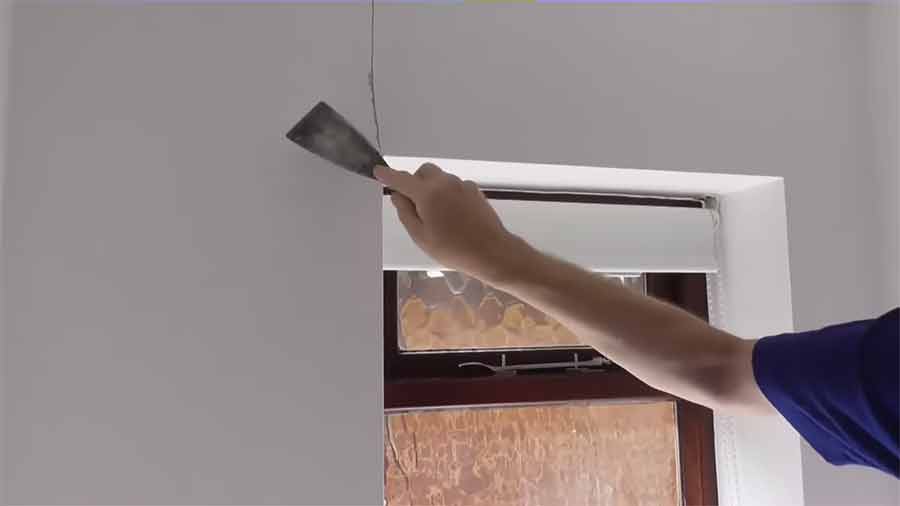
Hairline cracks are very thin and superficial cracks that are generally considered normal. They are often a result of the natural drying and settling of the plaster and do not indicate significant structural issues. These cracks can be easily fixed with cosmetic attention, such as filling and repainting.
Vertical Cracks
Vertical cracks are common in newly plastered walls and are usually caused by the drying and shrinking of the plaster. Although vertical cracks can be a normal occurrence, they may indicate a more severe issue if they exceed a certain length. If vertical cracks are longer than a few feet, it may be necessary to seek professional assessment to determine if there are underlying structural problems.
Diagonal Cracks
Diagonal cracks resemble a set of stairs and often suggest structural movement. These cracks can be a cause for concern and require professional assessment. Diagonal cracks may be indicative of foundation settling, structural instability, or other serious issues. It is important to address these cracks promptly to prevent further damage or safety hazards.
Serious Cracks
Wide, jagged cracks or cracks that show signs of daylight through them are considered more serious. These cracks may indicate significant structural damage and should be addressed immediately. Professional intervention is crucial to assess the severity of the damage and recommend appropriate repairs or reinforcements.

Understanding the different types of cracks can help you determine the level of urgency and the appropriate course of action.
If you notice any cracks in your plastered walls, it is advisable to monitor their progression and consult with a professional, such as Quality Plastering Nottingham, if necessary.
Conclusion
In conclusion, when it comes to hairline cracks in plaster, there is generally nothing to be overly concerned about. These small cracks are often a result of natural drying and settling, as well as fluctuations in humidity, temperature, and moisture levels. However, it is crucial to monitor these cracks and recognise when they become more severe, as they may indicate underlying structural issues.
If you notice that the cracks are exceeding certain measurements or exhibiting specific characteristics, it is important to seek professional assessment and repair. By addressing these issues in a timely manner, you can prevent further damage and ensure a pristine finish in your home.
When it comes to addressing plaster cracks, it is essential to rely on the expertise of professionals. Quality Plastering Nottingham is a trusted name in the industry, providing reliable assessment and repair services. Their team of skilled plasterers understands the importance of recognising the severity of cracks and offers tailored solutions to address these issues effectively.
Remember, monitoring cracks and recognising their severity is key to maintaining the structural integrity and appearance of your walls. Don’t hesitate to reach out to Quality Plastering Nottingham for professional assessment and repair, ensuring a long-lasting and flawless finish for your home.
Quality Plastering Nottingham
Quality Plastering Nottingham is a leading provider of high-quality plastering services in the United Kingdom. Their team of skilled plasterers offers professional assessment and repair solutions to address plaster cracks effectively. With their expertise and attention to detail, you can trust Quality Plastering Nottingham to deliver excellent results and ensure the longevity of your walls’ pristine finish.
For more information or to make an appointment, contact us or call us 0115 736 5055 and you can also visit our website.
Source Links
- https://abdrylining.com/cracks-in-walls/
- https://www.mybuilder.com/questions/v/4489/
hairline-cracks-appearing-in-new-plastering-work - https://www.myjobquote.co.uk/questions/
new-plaster-cracking-after-2-months

When it comes to choosing the right plasterboard for your bathroom, there's a lot to consider. A recent survey from Read more

Have you ever wondered why plastering is so expensive? It can be a daunting task to tackle on your own, Read more

Painting directly onto plaster can be a daunting task, especially if you are not familiar with the process. While plaster Read more