

Are you about to embark on a painting project and find yourself faced with the daunting task of painting new plaster? Fear not, for we are here to guide you through the process. Whether you’re a seasoned DIY enthusiast or a beginner, this article will provide you with the knowledge and expertise you need to achieve a flawless finish on your newly plastered walls.
In this article, we will delve into the intricacies of assessing the condition of the plaster, priming it for paint, and determining how many coats are necessary for a smooth and professional-looking result.
We understand that painting new plaster can be a bit tricky, with factors such as absorption and coverage coming into play. But fear not, as we will break it down for you step by step, ensuring that you have all the information you need to make your walls look their best.
So, grab your paintbrush and let’s get started!
Assessing the Condition of the Plaster
Assessing the condition of the plaster is an important step before applying paint. Start by checking for cracks or imperfections that may need attention. Repair any large cracks or holes before painting.
Also, examine the texture of the plaster. If it feels rough or uneven, additional preparation may be necessary, such as sanding or applying a primer.
Factors like porosity, previous coatings, and moisture issues can affect paint adhesion. Properly evaluating the plaster will help determine the number of coats needed for optimal coverage and durability.
Priming the Plaster for Paint
To properly prepare your fresh plaster for painting, you’ll want to apply a primer. This can significantly enhance the longevity and durability of the final finish. Preparing the surface is crucial to ensure that the primer adheres properly and creates a smooth base for the paint.
Start by ensuring that the plaster is fully dry and free from any dust or debris. Use a soft brush or vacuum cleaner to remove any loose particles. Next, inspect the plaster for any cracks or imperfections and fill them with a suitable filler.
Once the surface is clean and smooth, it’s time to choose the right primer. Opt for a primer specifically designed for plaster surfaces, as it will have better adhesion and coverage. Consider factors like the type of paint you plan to use and whether you want to address any specific issues, such as stain blocking or mildew resistance.
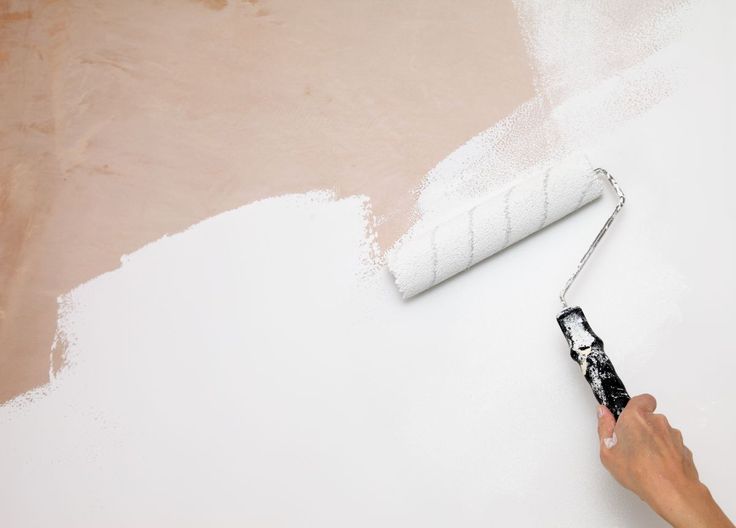
Apply the primer evenly using a brush or roller, following the manufacturer’s instructions. Allow it to dry completely before applying the paint. With the right preparation and primer, your fresh plaster will be ready to receive a flawless coat of paint.
Applying the Base Coat of Paint

Applying a primer specifically formulated for plaster surfaces enhances the longevity and durability of the final finish, ensuring a flawless base for the subsequent paint application.
Before applying the base coat of paint, it is important to prepare the plaster surface properly.
Start by sanding the plaster to smooth out any imperfections or rough spots.
This will create a smooth and even surface for the paint to adhere to.
Once the plaster is sanded, you can move on to choosing the right paint colour. Consider the overall look you want to achieve and take into account factors such as lighting and room size. It is also helpful to test the paint colour on a small area of the plaster to ensure it complements the space.
Taking the time to properly sand the plaster and select the right paint colour will result in a professional and polished finish.
Adding Additional Coats for a Smooth Finish
Once you add a few extra layers, you’ll be amazed at how smooth and flawless the finish of your plaster will be. To achieve this, it’s important to follow the proper techniques for sanding and choosing the right paint colour.
When it comes to sanding, start by using a coarse-grit sandpaper to smooth out any rough patches or imperfections on the plaster surface. Then, switch to a finer-grit sandpaper to create a smooth and even texture. Remember to always sand in the direction of the grain to avoid damaging the plaster.
As for choosing the right paint colour, consider the lighting in the room and the overall mood you want to create. Lighter colours tend to make a space feel more open and airy, while darker colours can add depth and cosiness. Take the time to test out different paint swatches on the plaster to find the perfect colour that complements your space.
For more information or to make an appointment, contact us or call us 0115 736 5055 and you can also visit our website.

When it comes to choosing the right plasterboard for your bathroom, there's a lot to consider. A recent survey from Read more

Have you ever wondered why plastering is so expensive? It can be a daunting task to tackle on your own, Read more

Painting directly onto plaster can be a daunting task, especially if you are not familiar with the process. While plaster Read more