
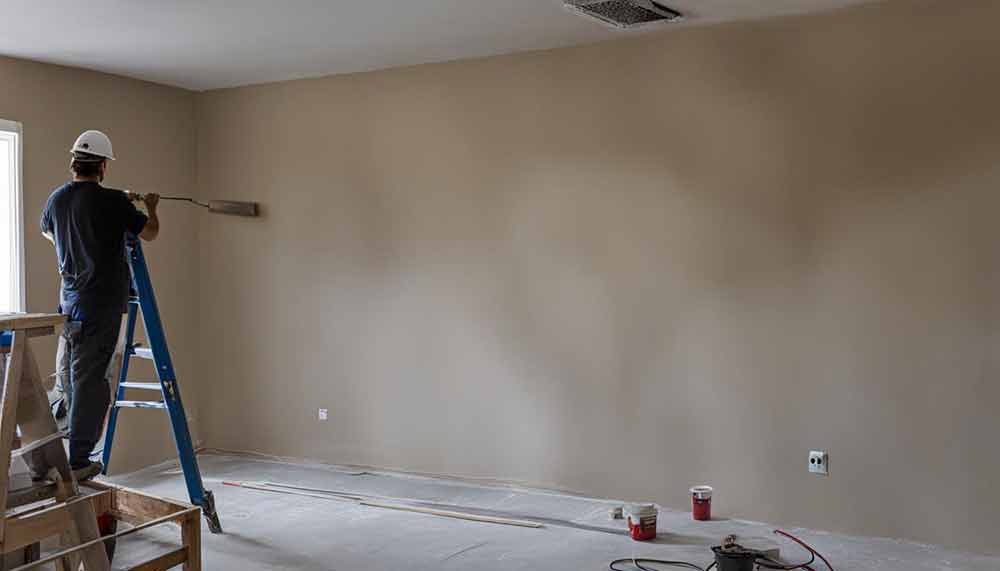
Are you planning a painting project and wondering if you can plaster and paint on the same day? Surface preparation is crucial for a successful paint job, and it’s important to understand the proper steps to achieve optimal results.
At Quality Plastering Nottingham, we offer reliable plastering services to ensure your walls are ready for a flawless finish. From filling and scraping to sanding and priming, our skilled team understands the importance of thorough surface preparation.
While some may suggest plastering and painting on the same day, it’s essential to allow the plaster to cure before applying paint. Waiting for the plaster to dry completely, typically for around two weeks, allows all moisture to evaporate. This helps prevent issues such as paint peeling in the future.
By following the best practices for surface preparation, you can transform your walls with ease and achieve the desired aesthetic for your painting project. Trusting the expertise of a local plasterer like Quality Plastering Nottingham ensures optimal results and a long-lasting paint job.
For all your plastering needs in Nottingham, visit Quality Plastering Nottingham and let our professionals provide you with a flawless finish that will exceed your expectations.
How Long to Wait Before Painting New Plaster?
When dealing with a newly plastered surface, it is important to wait for an adequate drying period before applying paint.
The waiting period for plaster to dry can vary depending on several factors, including the type of plaster used and the prevailing weather conditions. In general, it is recommended to wait for up to four weeks to ensure the plaster is fully dried and ready for painting.

Painting too soon on newly plastered walls can result in various issues such as paint absorption, cracking, and peeling. To prepare the wall for painting, it is advisable to apply a mist coat as the first coat. A mist coat is created by diluting emulsion paint with water to achieve a thin, milky consistency. This helps to prime and seal the surface, providing a smooth and even base for the topcoat.
The ideal ratio for a mist coat is subjective, but a common guideline is to mix three parts emulsion paint with one part water. This mixture can be adjusted to achieve the desired consistency. Typically, one mist coat is sufficient, but additional coats can be applied for extra sealing if needed.
Waiting Period for Painting New Plaster
| Type of Plaster | Recommended Waiting Period |
|---|---|
| Browning or Bonding Plaster | 3-4 weeks |
| Hardwall or Tough Coat Plaster | 2-3 weeks |
| Thistle Board Finish Plaster | 2 weeks |
It is important to note that these waiting periods are just general recommendations and can be influenced by various factors. Checking the plaster’s color and texture can also provide an indication of its readiness for painting. A fully dried plaster should have a consistent color across the wall surface.
By following the appropriate waiting period and applying a mist coat, you can ensure that your newly plastered wall is ready for painting. This process will help to create a strong and durable bond between the plaster and the paint, resulting in a beautiful and long-lasting finish.
How to Paint a Newly-Plastered Wall
Painting a newly-plastered wall requires careful attention to detail to ensure a smooth and professional finish. By following the right process and using the appropriate techniques, you can achieve optimal results. Here’s a step-by-step guide to painting a newly-plastered wall:
Step 1: Prepare the Surface
Before starting the painting process, ensure that the plaster is completely dry and even in color. Use a soft brush to remove any dust or debris from the surface. Cover sockets, skirting boards, and adjacent walls with masking tape to protect them from accidental paint splatters.
Step 2: Apply the Mist Coat
A mist coat is the first coat of paint that helps to prime and seal the porous surface of the plaster. To create a mist coat, dilute emulsion paint with water to achieve a thin, milky consistency. Use a foam roller to apply the mist coat to the wall, painting upwards in even strokes. For more intricate areas such as corners and edges, use a small paintbrush. Allow the mist coat to dry for at least a day before proceeding to the next step.

Step 3: Apply the Top Coat
Once the mist coat is dry, you can apply the top coat of paint. Use a roller or brush to evenly apply the paint to the wall. Two coats of paint are generally recommended for a consistent and even finish. Allow each coat to dry completely before applying the next one. Remember to follow the manufacturer’s instructions regarding drying times between coats.
By following these steps, you can effectively paint a newly-plastered wall and achieve a professional-looking result. Remember to take your time, use high-quality materials, and maintain a consistent painting technique throughout the process.
| Painting Process | Mist Coat Application | Top Coat | Number of Paint Coats |
|---|---|---|---|
| Prepare the surface by ensuring the plaster is dry and clean | Dilute emulsion paint with water to create a thin, milky mist coat | Apply the top coat of paint using a roller or brush | Two coats are generally recommended for a consistent finish |
| Use masking tape to protect adjacent surfaces | Apply the mist coat using a foam roller, painting upwards | Allow each coat to dry completely before applying the next | Follow manufacturer’s instructions for drying times |
| Ensure even coverage and avoid drips or brush marks | Use a small paintbrush for intricate areas |
Conclusion
In order to achieve a flawless finish on your walls, it is highly recommended to enlist the services of a professional local plasterer. Their expertise and experience will ensure that the surface is properly prepared, resulting in optimal results for your paint job.
By waiting for the plaster to dry completely and applying a mist coat as the first coat of paint, you can significantly enhance the longevity of your newly plastered walls. This thin and milky layer acts as a primer and sealant, sealing the porous surface of the plaster and providing a solid foundation for the top coat.
For the best outcome, it is advised to consult with professionals or paint manufacturers for specific guidance on the number of paint coats and the best practices tailored to your unique situation. They will be able to provide expert advice that aligns with your desired aesthetic and ensures a flawless finish.
If you’re in need of quality plastering services in Nottingham, consider reaching out to Quality Plastering Nottingham. With their dedication to craftsmanship and attention to detail, you can trust that your walls will be transformed to perfection.
For more information or to make an appointment, contact us or call us 0115 736 5055 and you can also visit our website.
Source Links
- https://www.mybuilder.com/questions/v/3746/how-long-after-plastering-can-you-paint-a-‘mist’-coat-on-and-what-is-the-ratio-water-to-paint-thank-you
- https://lopcocontracting.com/how-long-should-plaster-cure-before-painting-it/
- https://abdrylining.com/painting-new-plaster/

When it comes to choosing the right plasterboard for your bathroom, there's a lot to consider. A recent survey from Read more

Have you ever wondered why plastering is so expensive? It can be a daunting task to tackle on your own, Read more

Painting directly onto plaster can be a daunting task, especially if you are not familiar with the process. While plaster Read more