
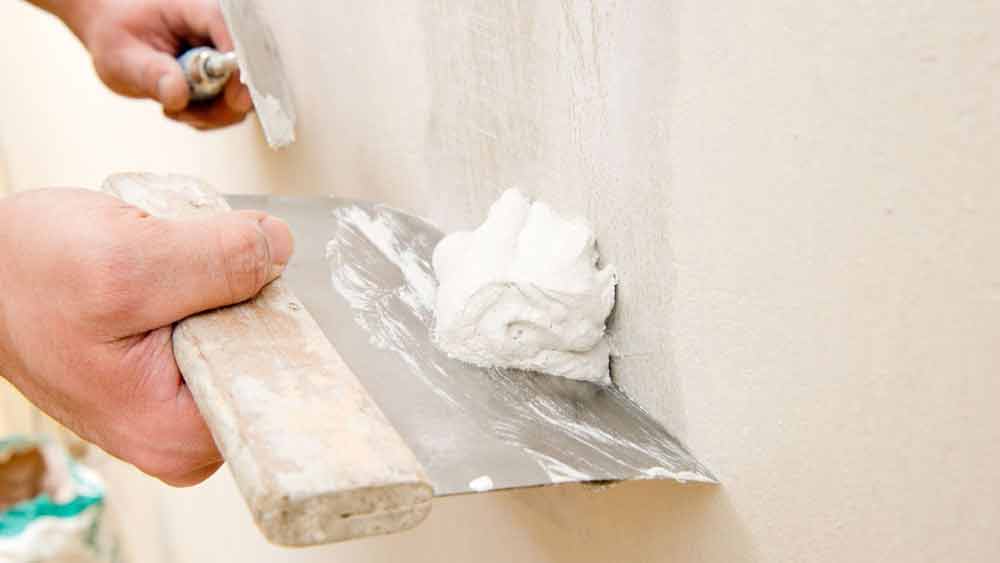
Are you tired of staring at those unsightly wall imperfections?
Well, guess what? You can actually skim a wall yourself and transform it into a smooth and flawless surface!
In this article, we’ll guide you through the benefits of taking on this DIY project, the tools and materials you’ll need, and provide you with a detailed step-by-step guide for achieving professional-looking results.
Get ready to roll up your sleeves and give your walls a stunning makeover like a seasoned pro!
Benefits of Skimming a Wall Yourself
You can save money and gain a sense of accomplishment by skimming a wall yourself.
Skimming, also known as plastering or finishing, is the process of applying a thin layer of plaster to create smooth and even walls.
By doing it yourself, you can eliminate the cost of hiring a professional plasterer, which can be quite expensive.
Not only will you save money, but you will also experience personal satisfaction in seeing your own handiwork come to life.
Skimming a wall requires attention to detail and patience, but with practice, anyone can achieve professional-looking results.
It allows you to take control of your home improvement project and gives you the opportunity to learn new skills along the way.
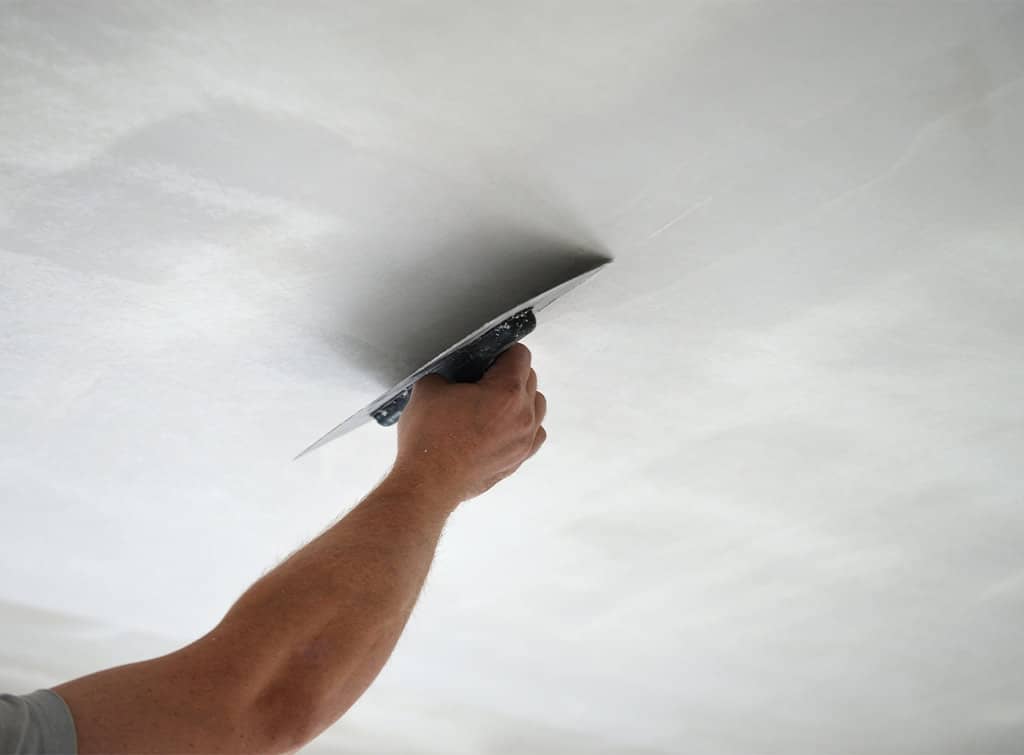
Tools and Materials Needed for Skimming a Wall
To get started, all you’ll need are a few basic tools and materials for the job. Here’s a list of what you’ll need:
- Trowel: This tool is essential for applying and smoothing the skim coat onto the wall.
- Sandpaper: You’ll need different grits of sandpaper to achieve a smooth finish after skimming.
- Joint compound: This is the main material used for skimming walls. Make sure to choose the right type for your project.
- Drop cloth or plastic sheeting: These will help protect your floors and furniture from any mess or spills.
- Safety goggles and gloves: It’s important to protect yourself while working with joint compound and sandpaper.
When it comes to wall skimming, there are some common mistakes to avoid. One is applying too much joint compound at once, which can lead to uneven drying and cracking. Another mistake is not properly preparing the wall surface before skimming, which can result in poor adhesion.
Essential safety precautions for wall skimming include wearing goggles and gloves to protect yourself from any potential hazards. Additionally, make sure to work in a well-ventilated area to minimise exposure to dust particles. Can You Skim Over Old Plaster?
Step-by-Step Guide to Skimming a Wall
First, gather all the necessary tools and materials for skimming a wall. Here is a table listing the essential items:
| Tools | Materials | Miscellaneous |
|---|---|---|
| Trowel | Skim coat compound | Drop cloth |
| Sanding block | Joint compound | Masking tape |
| Putty knife | Primer | Dust mask |
Now that you have everything ready, let’s dive into the step-by-step guide to skimming a wall. But before we begin, it’s important to be aware of common mistakes in wall skimming.

Some examples include applying too thick of a skim coat, not properly sanding between coats, and rushing through the process without proper preparation.
However, if you’re looking for alternatives to wall skimming, there are two popular options: using wallpaper or applying textured paint.
These methods can help disguise imperfections without requiring extensive skim coating.
Tips and Tricks for Successful Wall Skimming
One important tip for successful wall skimming is to use a sanding block to smooth out any imperfections. This will ensure that you achieve a smooth finish and create a professional-looking result.
Here are some additional tips and tricks to help you master the art of wall skimming:
- Use a wide putty knife or trowel to apply the joint compound evenly across the surface.
- Avoid applying too much pressure when smoothing out the compound, as this can cause unevenness.
- Take your time and work in small sections, allowing each layer of compound to dry completely before applying the next.
- Sand lightly between coats with fine-grit sandpaper to remove any bumps or ridges.
- Finally, prime and paint your skimmed walls for a flawless finish.
For more information or to make an appointment, contact us or call us 0115 736 5055 and you can also visit our website.

When it comes to choosing the right plasterboard for your bathroom, there's a lot to consider. A recent survey from Read more

Have you ever wondered why plastering is so expensive? It can be a daunting task to tackle on your own, Read more

Painting directly onto plaster can be a daunting task, especially if you are not familiar with the process. While plaster Read more